
Edited by: José Luis García Garmendia - Intensive Care Unit. Critical Care and Emergency Department, Hospital San Juan de Dios del Aljarafe, Bormujos, Seville, Spain
Last update: March 2026
More infoAngiotensin II (ATII) was approved for distributive shock in Spain (2023). The objective is to assess the experience with ATII by comparing a meta-analysis (MTA) and 4 Artificial Intelligence (AI) tools.
DesignA search was conducted in Pubmed®, Central®, Embase®, and Scopus®. Randomized clinical trials, non-randomized trials, and observational studies were included. The primary outcome was all-cause mortality. Odds ratios (OR) with 95% confidence intervals (CI) were pooled. Four AI tools were used: Consensus, Perplexity, Elicit, and Scite.
SettingIntensive care medicine.
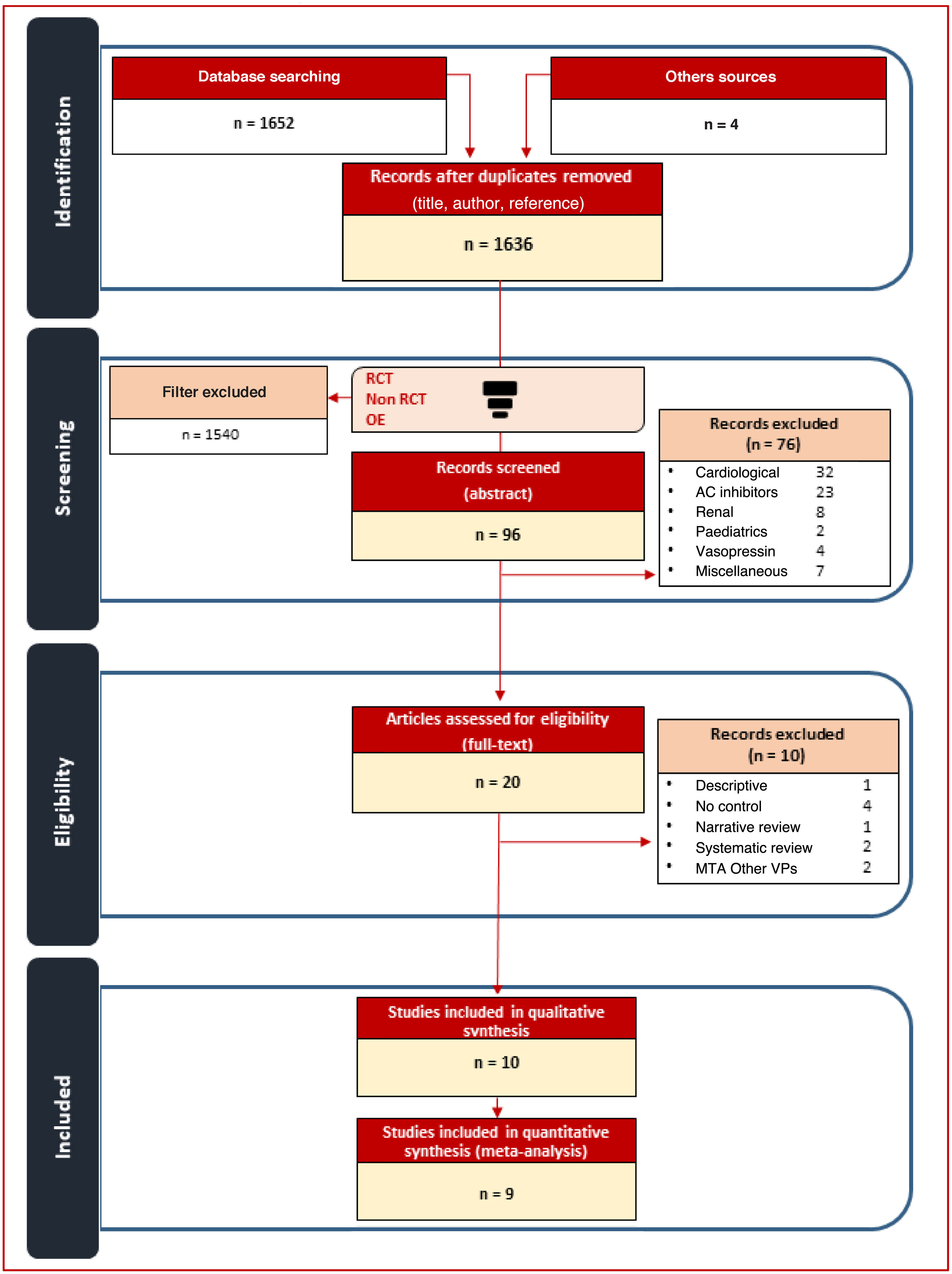
Patients or participantsOne thousand six hundred and thirty-six studies were identified, with 10 studies included in the MTA.
InterventionsNo interventions.
Main variables of interestMortality, efficacy, and safety.
ResultsATII shows a trend towards mortality reduction when compared with controls, OR 0.86 (95% CI: 0.60–1.23); this reduction reaches significance in patient subgroups: High Renin Levels, OR 0.45 (95% CI: 0.22−0.93); shock with renal replacement therapy, OR 0.38 (95% CI: 0.17−0.84). ATII is very effective in increasing mean arterial pressure, OR 3.25 (95% CI: 2.24–4.73), without increasing events, OR 0.77 (95% CI: 0.51–1.14). The AI reached the same conclusions, but only 25%–30% of the studies were included in the MTA.
ConclusionsATII effectively increases blood pressure without side effects and without altering mortality. AI can assist in evaluating clinical evidence.
La angiotensina II (ATII) ha sido aprobada para el shock distributivo en España (2023). El objetivo es valorar la experiencia de la ATII comparando: un metanálisis (MTA) y 4 herramientas de inteligencia artificial (IA).
DiseñoSe buscó en Pubmed®, Central®, Embase® y Scopus®. Se incluyeron ensayos clínicos aleatorizados, no aleatorios y estudios observacionales. El resultado principal fue la mortalidad por cualquier causa. Se agruparon las odds ratio (OR) con intervalos de confianza (IC) del 95%. Se usaron 4 herramientas de IA: Consensus, Perplexity, Elicit y Scite.
ÁmbitoMedicina intensiva. Validación de herramientas de IA.
Pacientes o participantesMil seiscientos treinta y seis estudios, incluyendo en el MTA 10 estudios.
IntervencionesNo realizadas.
Variables de interés principalesMortalidad, eficacia y seguridad.
ResultadosLa ATII presenta una tendencia a disminuir la mortalidad respecto al control, OR 0.86 (IC del 95%: 0.60–1.23); en subgrupos de pacientes esta disminución resulta significativa: Niveles de Renina Alta, OR 0.45 (IC del 95%: 0.22−0.93); shock con reemplazo renal, OR 0.38 (IC del 95%: 0.17−0.84). La ATII es muy efectiva aumentando la presión arterial media, OR 3.25 (IC del 95%: 2.24–4.73), sin incrementar eventos, OR 0.77 (IC del 95%: 0.51–1.14). La IA llega a las mismas conclusiones, pero solo el 25%–30% de los estudios fueron incluidos en el MTA.
ConclusionesLa ATII aumenta la tensión de forma efectiva, sin efectos secundarios y sin modificar la mortalidad. La IA puede ayudar a la evidencia clínica.
Angiotensin II (ATII) is a naturaloctapeptide and a hormone of the renin-angiotensin-aldosterone system (RAAS) that has potent vasoconstrictor effects. Since 1941,1 ATII has been used in many studies investigating vascular resistance, hypertension,2,3 preeclampsia,4,5 cancer,6 and congenital heart disease.7
A recent trial of ATII for treating shock, as well as retrospective analyses, have generated interest in its use for managing shock. In this regard, ATII has been approved for treating distributive shock in the United States and Europe, including Spain. This interest raises questions about the existing clinical experience with the drug and proposes ways to quickly address the raised concerns.
In recent decades, systematic reviews and meta-analyses (MTAs) have become widely accepted as the standardized and least biased method for evaluating evidence. However, MTAs may include or exclude certain types of studies, limit the covered time period, include only English-language publications or peer-reviewed articles, or apply quality criteria for flexible studies.
Current artificial intelligence (AI) research tools are search engines that use natural language processing to display articles and synthesize articles. These tools perform vector searches and could be fast, objective tools for analyzing evidence.
ObjectivesThe primary objective of the present study was to compare two alternative methods of assessing clinical outcomes of ATII use in distributive septic shock. The first method was an MTA conducted entirely by the authors. The second method involved the application of research-specific AI tools.
To accomplish this, the following questions were defined:
- •
Q1 Does ATII treatment in shock patients have an impact on mortality?
- •
Q2 Is angiotensin effective in treating shock?
- •
Q3 Is angiotensin safe in shock patients?
The secondary objectives were to analyze the efficacy and safety profile of ATII and explore its impact on mortality in patients with shock.
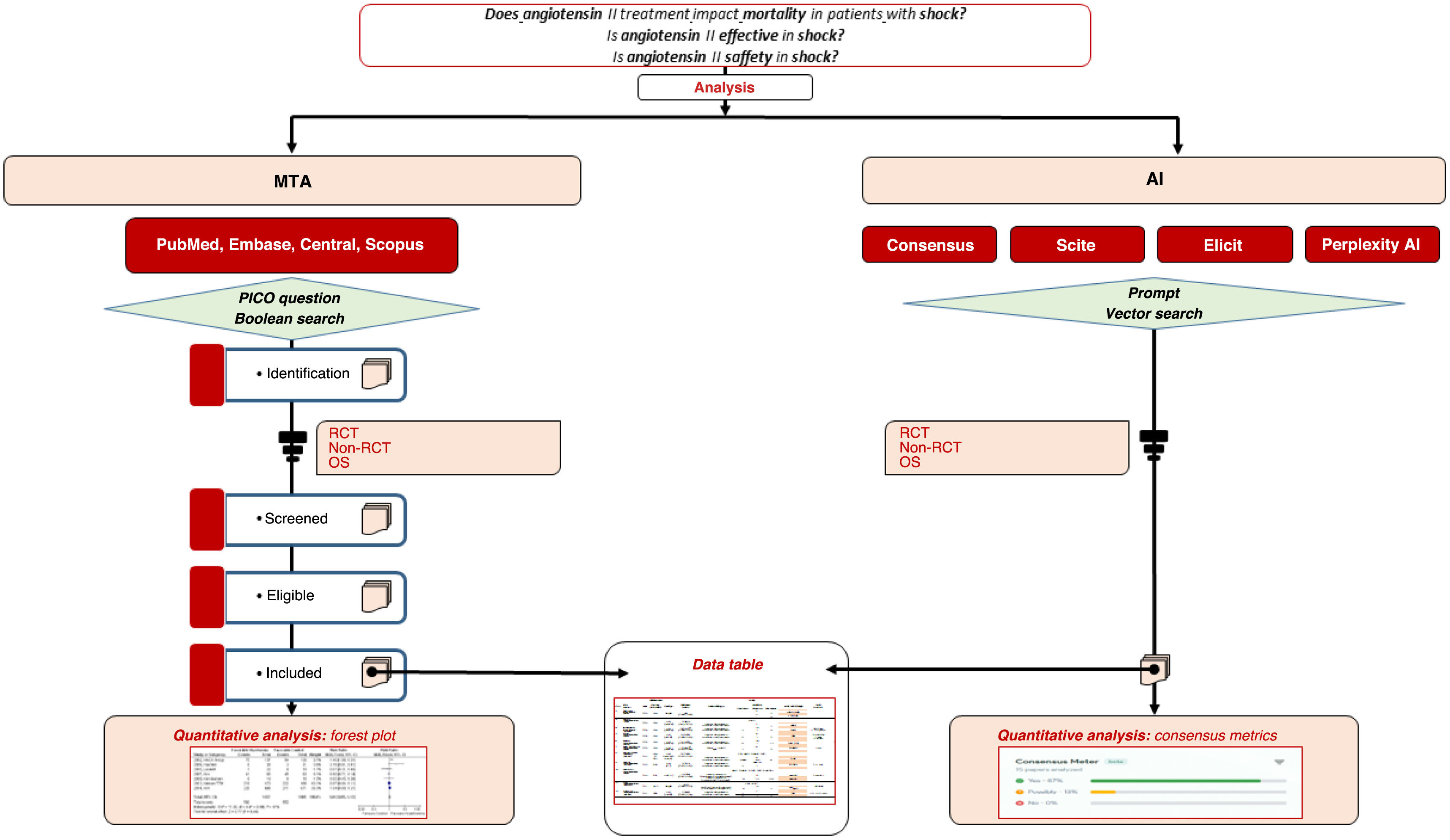
Patients and methodsThe study methodology is summarized in Fig. 2.
Meta-analysisThe MTA was conducted in accordance with the Preferred Reporting Items for Systematic reviews and Meta-Analyses (PRISMA)8 recommendations. We used the PICO framework to define the clinical question.
Search strategy and selection criteriaFour authors independently searched the following databases: PubMed® (I.O.E.), Embase® (L.S.M.), Scopus® (S.A.J.), and Central® (R.L.A.) up until April 30th 2024. An advanced search of the databases was performed up until April 2024 using the MeSH terms with the following Boolean sequence:
- •
((angiotensin) AND ((sepsis) OR (shock)) AND ((effective) OR (safety) OR (mortality)))
The database was filtered to include randomized clinical trials (RCTs), non-randomized clinical trials (non-RCTs), and observational studies (OS). Additionally, a separate study search strategy was adopted that analyzed the literature references contained in the relevant clinical guidelines and in other systematic reviews.
The exclusion criteria were: duplicate publications, case reports, letters to the editor, comments, reviews, and case studies without controls, and cohort or animal studies.
Data extraction and outcome measuresA standard data extraction form was designed to collect the following information: the first author, the literature reference, the type of study, the total number of patients included, as well as their characteristics (including subgroups), the therapeutic regimens used, the duration of follow-up, and the main results of the selected trials, both overall and by subgroup.
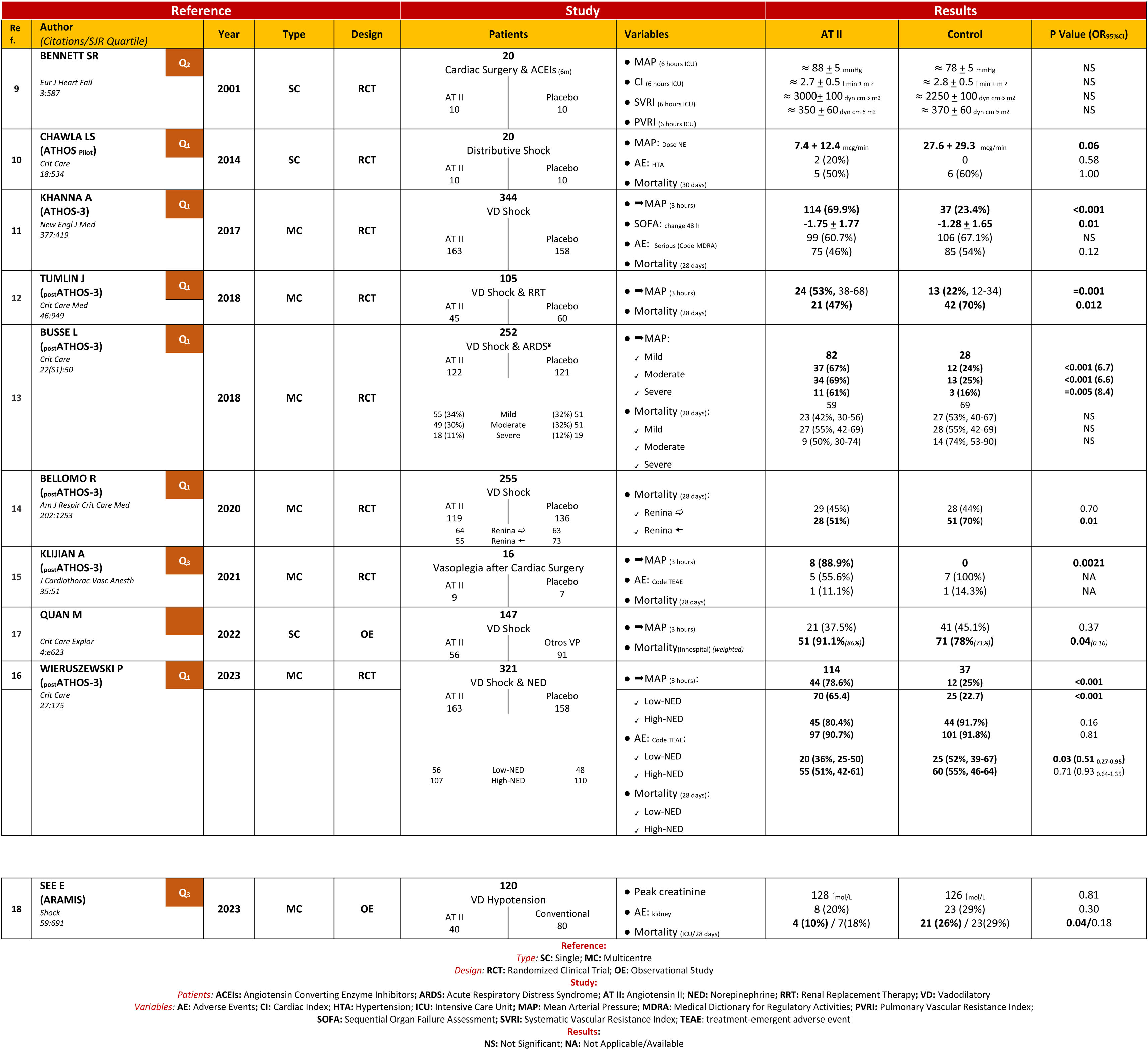
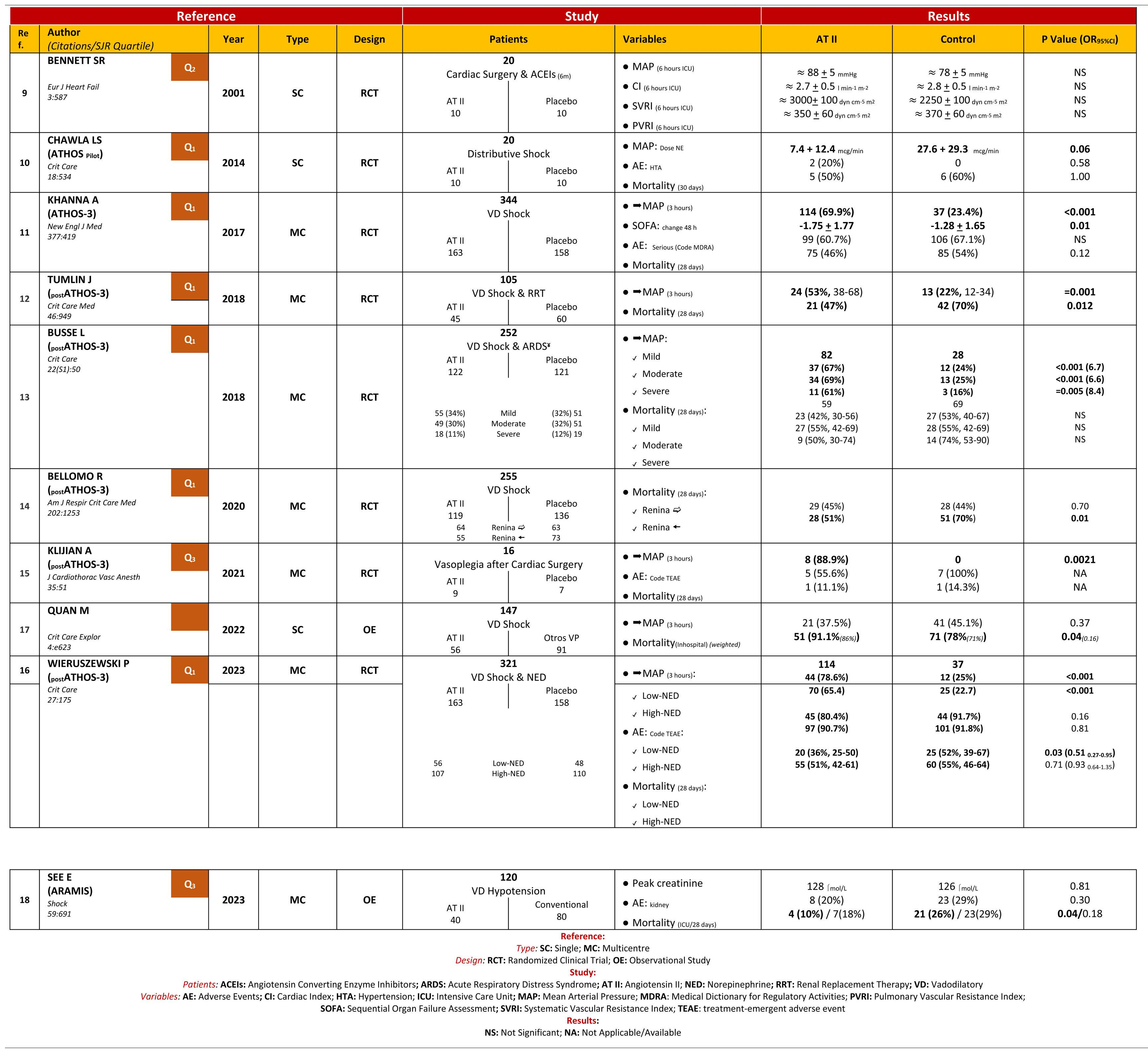
The extracted data are presented in Table 1 (see Appendix B of the electronic Supplementary Material).
- •
Mortality. During the literature selection process, four different timepoints of mortality were detected (ICU, 28 days, 30 days, and in-hospital).
Thirty-day and in-hospital mortalities were considered equivalent to 28-day mortality. The primary endpoint chosen was 28-day mortality.
- •
Effectiveness. The main efficacy parameter analyzed in the studies was mean arterial pressure (MAP). Most studies examined the achievement of a MAP target within a certain time. Others measured MAP quantitatively, and some considered the dose of norepinephrine (NE) required to maintain MAP. Other hemodynamic parameters included cardiac index (CI), pulmonary vascular resistance index (PVRI), and systemic vascular resistance index (SVRI). Other efficacy parameters included changes in the SOFA score and peak plasma creatinine. The chosen endpoint was MAP as a qualitative variable.
- •
Safety. Some studies assessed safety according to different classifications of adverse effects (AEs): MDRA code and TEAE code. Others assessed safety as the occurrence of a specific effect, such as renal failure. The endpoint chosen was the AEs reported by each study.
The quality and bias of the eligible papers were assessed according to the Cochrane Handbook for Systematic Reviews of Interventions.
Publication bias was evaluated using funnel plots, which plot the effect of each trial against its standard error. To evaluate the quality of the results of the primary question, the Grading of Recommendations Assessment, Development, and Evaluation (GRADE) approach was applied, using the GRADEprofiler© software v3.6.1. The quality of the evidence was classified as high, moderate, low, or very low, based on the design of the study, the risk of bias, inconsistency, and imprecision.
Statistical analysisFor categorical/dichotomous variables, odds ratios (ORs) were calculated and combined using the Mantel-Haenszel (MH) method with a 95% confidence interval (CI). The fixed-effects model was used to statistically combine the results.
Heterogeneity was analyzed using the chi-square test and quantified using the I2 statistic and its p-value. Heterogeneity was considered to be low, moderate, or high if the I2 value was <25%, 25–75, or >75%, respectively. Population subgroup analyses were performed on the results according to the characteristics and variables of the selected studies.
Statistically significant differences were defined as P < .05. All statistical analyses were performed using the RevMan© v. 5.3 software package (The Nordic Cochrane Center, Copenhagen, Denmark).
Artificial intelligence toolsResearch AI tools are based on Generative Pre-trained Transformer (GPT) algorithms. These search engines use natural language processing (NLP) models to display articles and synthesize knowledge from academic research.
Three different authors used four AI tools independently, entering the questions outlined in the objectives:
- •
Consensus (https://consensus.app) (I.I.V.). Its current data source comes from the Semantic Scholar database, which includes more than 200 million articles in all scientific fields.
- •
Perplexity AI (https://www.perplexity.ai) (I.I.V.). Unlike traditional search engines, Perplexity AI searches the Internet in real time and gathers information from trusted sources such as articles, websites, and journals.
- •
Scite (https://scite.ai) (M.M.G.). Code libraries and documentation are stored in Scite.
- •
Elicit (https://elicit.com) (H.M.C.). Its sources include Web of Science®, Scopus®, PubMed®, Google Scholar®, and private databases.
As of April 30th 2024, a total of 1636 studies were retrieved. The study selection process is shown in Fig. 1.
The articles chosen for the final analysis consisted of 8 RCTs and 2 OS: Bennett et al.9 2001, Chawla et al.10 2014, Kanna et al.11 2017, Tumlin et al.12 and Busse et al.13 2018, Bellomo et al.14 2020, Klijian et al.15 2021, Wieruszewski et al.16 and the OS of Quan et al.17 2022 and the ARAMIS study of See et al.18 2023. The characteristics and data extracted from the included studies are shown in Table 1.
The mean patient age in the selected studies ranged from 47.53 to 72.83 years. The percentage of female participants ranged from 17.86% to 51.22%, and the mean APACHE II score ranged from 19.09 to 30.60. Sources of infection included the lower respiratory tract (43.1%), the abdomen (29.4%), the urinary tract (7.8%), skin or soft tissues (3.21%), blood (2.2%), and others (18.4%).
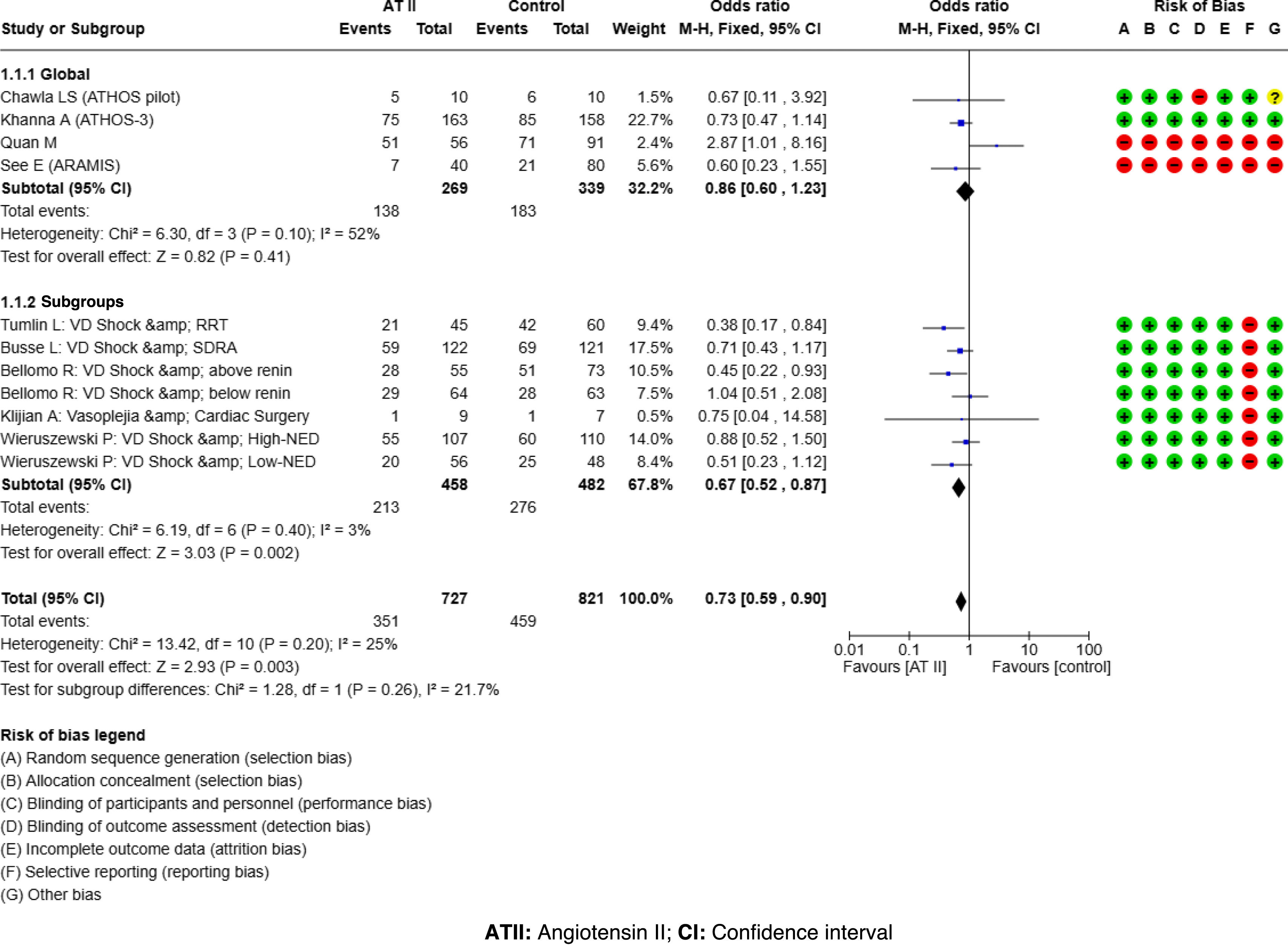
Summary of the primary outcome (Q1): mortalityATII (138 events, 269 patients) shows a tendency to decrease mortality compared to the control group (183 events, 339 patients), though the difference is not statistically significant (OR: 0.86 (95%CI: 0.60–1.23). Moderate heterogeneity (I2: 52%) was observed, primarily due to the study by Quan et al.17 This study also revealed funnel plot publication bias (Fig. 3, Appendix B Supplementary Material E-2).
This decrease in mortality proved significant in certain subgroups of patients: those in shock with high renin levels before treatment (OR: 0.45 [95%CI: 0.22−0.93])14 and those undergoing renal replacement therapy (OR: 0.38 [95%CI: 0.17−0.84]).12 The heterogeneity of the studies was low (I2: 3%) (Fig. 3).
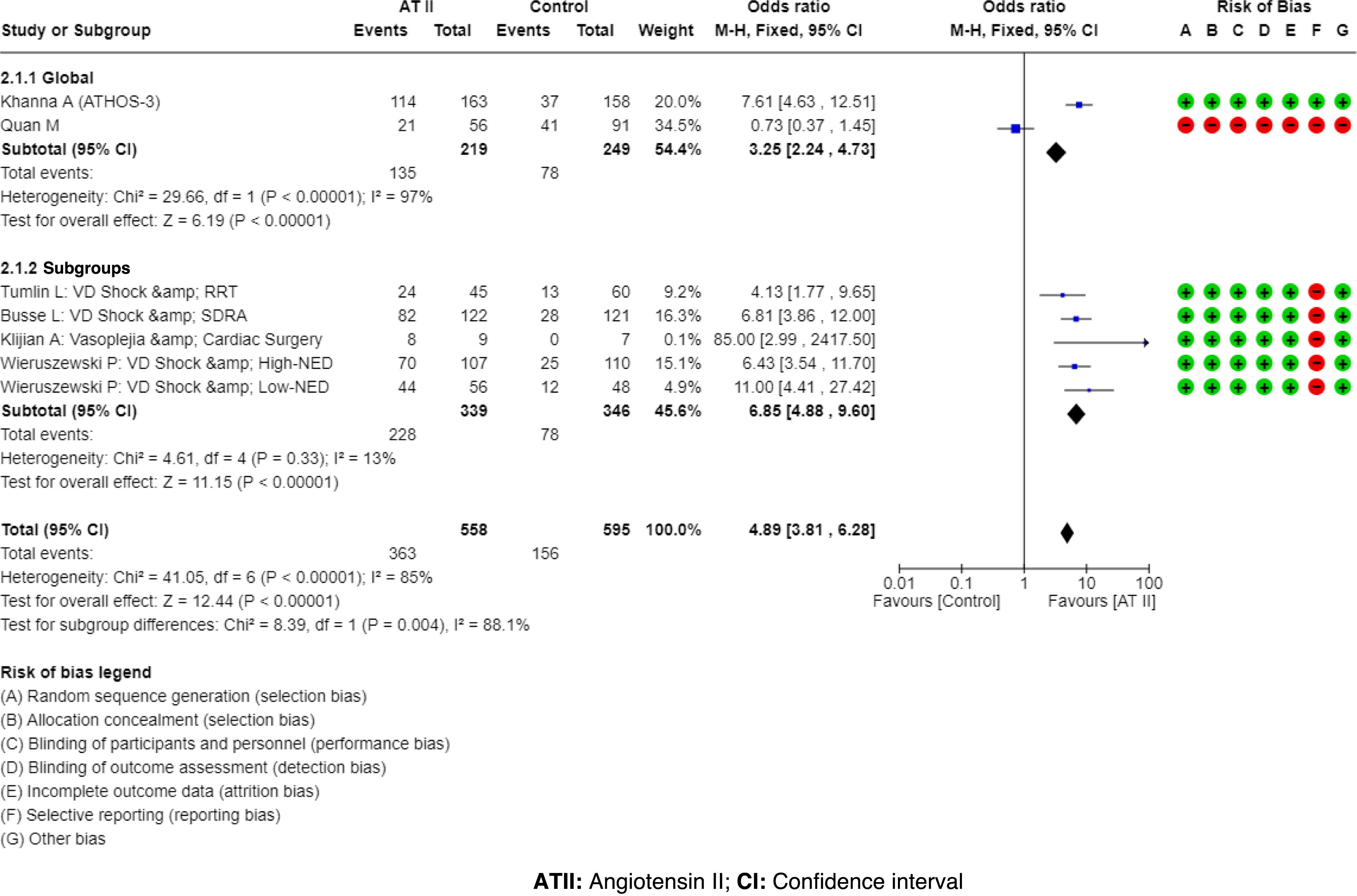
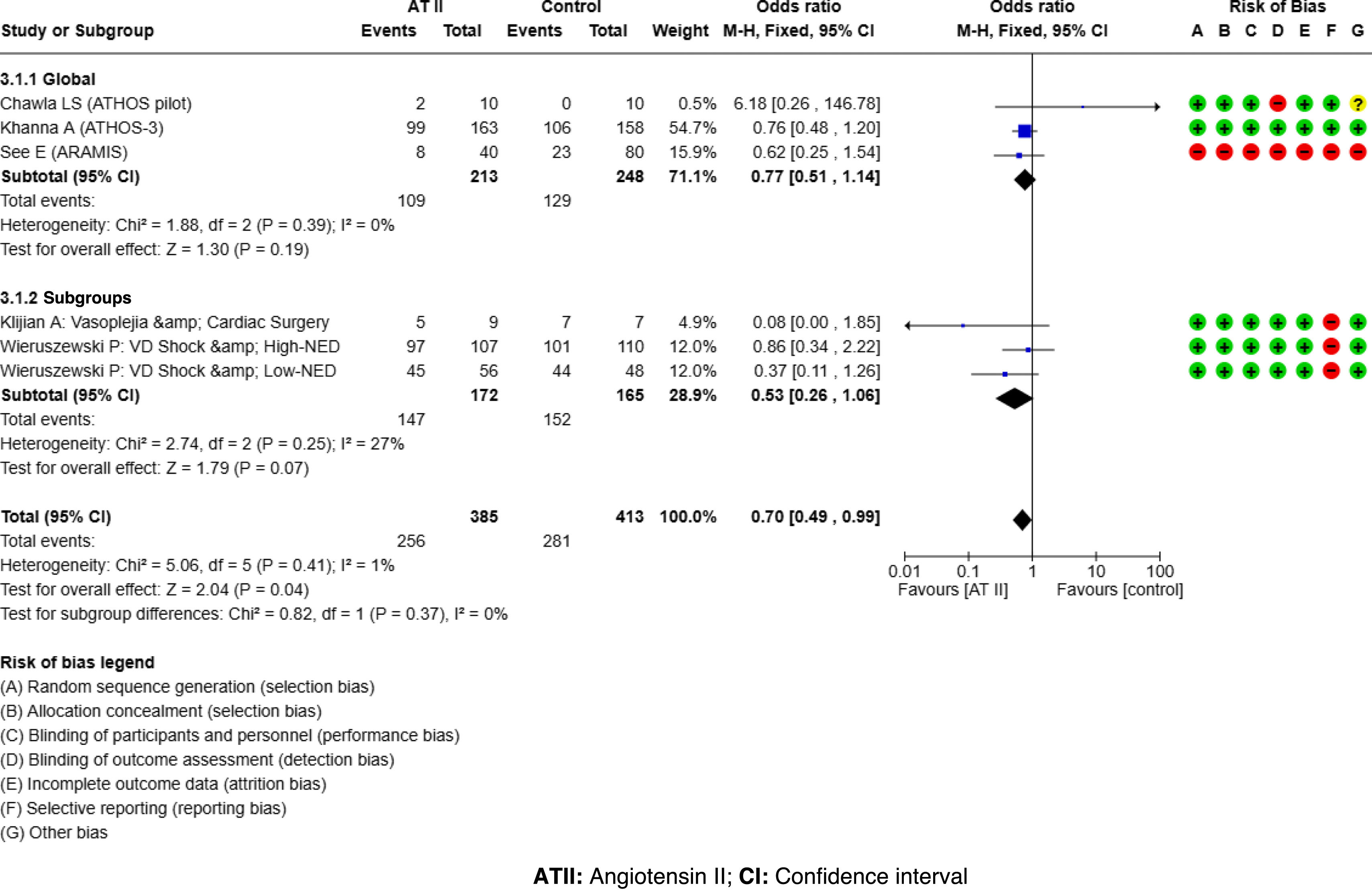
Summary of secondary outcomes (Q2 and Q3): efficacy and safetyATII was highly effective in increasing mean arterial pressure, OR: 3.25 (95%CI: 2.24–4.73). This efficacy was very significant in certain subgroups of patients, such as those with vasoplegia after cardiac surgery (OR: 85[95%CI: 2.99–2417]) (n = 16)15 and those with low doses of NE before starting treatment with ATII (OR: 11.0[95%CI: 4.41–27.42])16 (Fig. 4). This was achieved without significantly increasing the incidence of adverse events (OR: 0.77[95%CI: 0.51–1.14]) (Fig. 5).
Risks of bias and quality assessmentRegarding assessment of the risk of bias, the studies by Quan et al.17 and See et al.18 (OS) showed a high risk in all sections. Post-hoc studies of the ATHOS-3 trial (Tumlin et al.12, Busse et al.13, Bellomo et al.14, Klijian et al.15, and Wieruszewski et al.16) were attributed with a high risk of bias due to selective outcome reporting. The quality assessment of the studies in relation to mortality indicated very low quality (GRADE) (see Appendix B, Supplementary Material E-3).
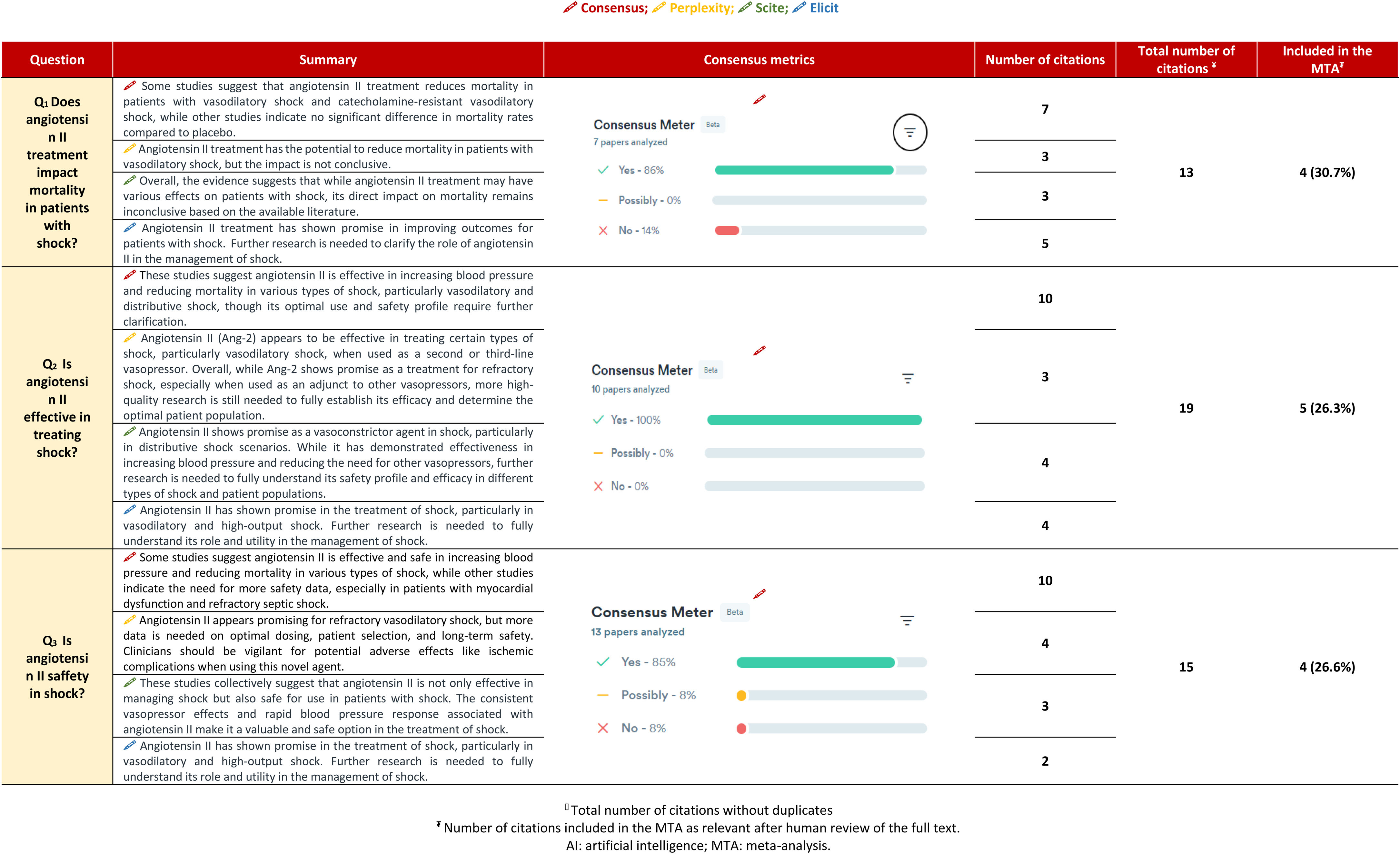
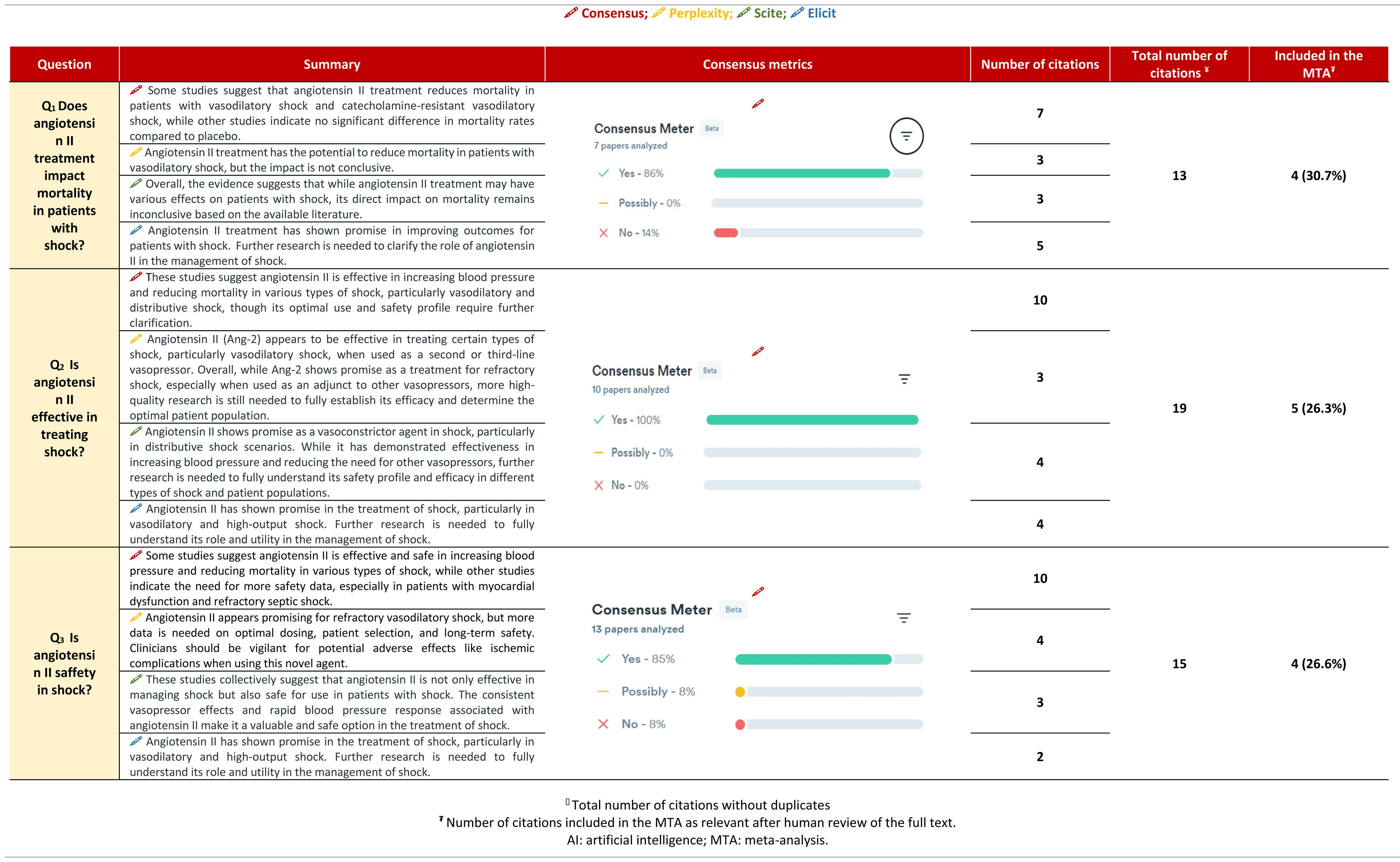
Results of the artificial intelligence toolsTable 2 summarizes the conclusions and metrics of the AI tools used for each question. Supplementary Material E-4 adds the key points and the list of all the literature references provided by the AI tools. As can be seen, only 25%–30% of the studies provided by the IA tools were included in the MTA performed by the human reviewers.
DiscussionTo our knowledge, this is the first specific MTA to evaluate ATII in the management of adult patients with shock. Likewise, we are not aware of any published intensive care articles that use AI for research. Therefore, the limitations involved need to be clarified.
Norepinephrine19,20 has been the first-line treatment of choice since the inception of the Surviving Sepsis Campaign. However, this adrenergic agent increases oxidative stress and negatively affects the inflammatory response and energy metabolism. Thus, the concept of “decatecholaminization” emerged due to concerns about exposure to catecholamines, leading to the demand for alternative, non-adrenergic drugs.
Regarding the secondary objectives, our MTA concludes that ATII effectively increases blood pressure, without significant side effects, but does not modify mortality. This finding aligns with the current recommendation to consider ATII for refractory septic shock, supported by low-quality evidence.
Integrating these secondary objectives with the main one, the same conclusion can be drawn from the AI tools used, although their analyzed references are not the same as those in the MTA. These generative AI models use deep learning techniques to interpret and replicate complex patterns found in data sets. Generative AI will probably facilitate research,21,22 improving content creation and editing. Thus, it will likely be useful for writing and proofreading research articles, writing citations, and generating summaries of content. Regarding data analysis, generative AI could be useful for processing relevant information. It could also have an important impact on peer review processes.
We agree with Salvagno et al.23 that AI tools can be very useful for complicated processes such as systematic reviews and meta-analyses. Recent studies have evaluated the following tools: (Abstrackr, DistillerSR, RobotAnalyst, and EPPI-Revisor)24 and (LitSuggest, Rayyan, Abstrackr, BIBOT, R software, RobotAnalyst, DistillerSR, ExaCT, and NetMetaXL).25 These tools can be useful for literature searches and screening, and for automatically creating tables and other elements.
However, the available applications have limitations,26 which in our view are twofold:
- •
Reliability: perpetuating or amplifying existing biases in the data, generating unfair results, and hindering scientific growth. Beta versus pay versions: the introduction of payment could generate disparity in scientific output, which could have unpredictable consequences. Specific and limited access sources. As these tools draw almost exclusively from English-language sources and access is restricted to abstracts and Open Access digital documents, the credibility of the results obtained is questionable. In our study, only 26% of the citations used by the IA tools were deemed eligible by the authors for the MTA. In the context of AI, “hallucination” refers to a model generating information for which it was not explicitly trained and which may be inaccurate. Sometimes these tools can generate references or citations that are entirely fabricated by AI. Therefore, it is essential to validate AI results using established methodologies.
- •
Ethics: Regulatory agencies are developing standards to guide the use of AI in healthcare.27,28 However, the rapid evolution of these AI systems poses challenges for regulatory approaches.
Based on the information provided by the four IA tools, we can conclude that:
- •
In general, the IA tool’s conclusions are similar to the MTA’s results.
- o
Some studies suggest that ATII treatment reduces mortality in patients with vasodilator shock and catecholamine-resistant vasodilator shock. However, other studies indicate no significant difference in mortality rates compared to placebo.
- o
These studies suggest that ATII is effective in increasing blood pressure and reducing mortality in various types of shock, particularly vasodilatory and distributive shock. However, its optimal use and safety profile require further clarification.
- o
ATII shows promise for treating refractory vasodilatory shock; however, more data are needed regarding optimal dosing, patient selection, and long-term safety. Clinicians should be alert to potential AEs, such as ischemic complications, when using this novel agent.
- o
- •
The literature citations provided by IA are all correct, but they are mainly based on Open Access articles, reviews, and some webpages.
- •
The consensus metrics overestimate the effect of ATII in all analyzed aspects when compared to the MTA forest plots, especially with respect to mortality. According to CONSENSUS, 86% of the articles agree that ATII has an impact on mortality. The visual difference between the MTA forest plots and the AI consensus metrics is notable.
- •
The answers to the various questions asked reiterate aspects that are not specific to the question posed.
- •
The search filters applied in AI (RCT) did not limit the search and yielded all types of articles.
AI technologies are poised to transform medical research, streamlining research processes, facilitating data analysis, and improving interactions and decision-making.29 However, it is important to note that human investigators must provide guidance and supervision to ensure accuracy, consistency, and credibility.
In order to take advantage of the benefits that AI can provide in research, while maintaining the highest standards of integrity and ensuring confidence in scientific publications, more research is needed focused on analyzing these new tools and on ethical responsibility - ensuring accuracy, transparency, and reproducibility.
Limitations- •
Regarding the MTA. There are few studies, and the main contribution comes from the RCT of Khanna et al. and the derived post-hoc studies. Therefore, clinical and methodological heterogeneity, which is related to differences in patients, interventions, endpoints, research designs, and quality, must be considered. Thus, more prospective RCTs are needed to assess the clinical evidence on ATII.
- •
Regarding AI. The free versions of the AI tools used may not have retrieved all the relevant information, but they did capture the essence of the results.
The main conclusion of the present study is that AI and its applications are useful for supporting the evaluation of clinical evidence, but should not be considered exclusive tools. This is a developing and evolving field, so more studies will be needed to evaluate its progression.
CRediT authorship contribution statementAll authors complied with the ICMJE’s general categories and participated in the different sections of the study.
Declaration of Generative AI and AI-assisted technologies in the writing processIn this work, the authors used the following AI tools: Consensus, Perplexity, Scite, and Elicit, in order to compare the results and conclusions of the AI tools with those of the MTA, which was carried out entirely by the researchers. After using these tools, the authors reviewed and edited the text, assuming full responsibility for the content of the publication. The full texts generated by the AI are specified in each part of the article.
Financial supportThe authors declare that they have not received any financial support in relation to this project.
The authors declare that they have no conflicts of interest related to this project’s content.
We would like to acknowledge the Department of Intensive Care Medicine of HCU Lozano Blesa, as well as the patients, their relatives, and the professionals who care for them.